Thin Brick vs Full Brick at a Glance
Thin brick and full brick differ most in thickness, weight and how they go on the wall, and the table below sets them side by side on the points a buyer decides on. Thin brick are made from the same materials and similar processes as other brick but are thinner and weigh less, per the Brick Industry Association (Technical Note 28C).
| What a Buyer Weighs | Thin Brick Veneer | Full Brick |
|---|---|---|
| Thickness | Most units are 1/2 to 1 in. thick and can be as thick as 1 3/4 in., per Technical Note 28C | A modular brick is specified at 3 5/8 in. by 2 1/4 in. by 7 5/8 in., per Technical Note 10 |
| Weight and load | Thin brick systems impart less load to a building, per Technical Note 28C | About 27 to 33 lb per sq ft of brick alone, calculated from 6.75 modular brick per sq ft in Technical Note 10 and 4.0 to 4.9 lb per brick in one manufacturer's listing (Watsontown Brick) |
| How it goes on | Adhered to a substrate by thick set, thin set, modular panel or prefabricated panel methods, per Technical Note 28C | Laid course by course in mortar as masonry |
| Matching | Some manufacturers can match thin brick with the brick used elsewhere on a building, per Technical Note 28C | Matching old brick is a service at the yard |
| Cost basis at Kelly Supply Co. | $0.80-$1.80 per piece (varies by brick choice and color) | $0.60-$1.25 per brick for full brick; face brick is Quote required |
| Product standard | ASTM C1088 for thin veneer brick units, per Technical Note 28C | Depends on the brick grade and type, so ask for the product's specification |
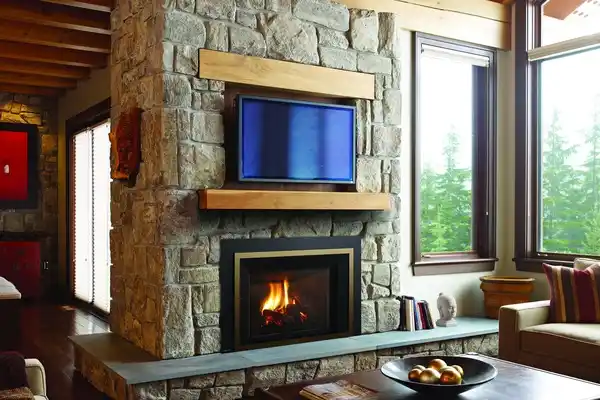
| When it suits | Interior accent walls, fireplace surrounds and exteriors where added load is a concern | Walls and facades built as brick masonry that can carry the full unit depth |
Weight and Structure
Weight and structure explain most of the choice. Adhered thin brick veneer can be installed where providing support for heavier, anchored brick veneer may be difficult, per the Brick Industry Association (Technical Note 28C).
Full brick is the heavier option, so the wall or foundation behind it has to be designed for the load. A mason or an engineer can calculate whether a given wall can carry full brick before you order.
Cost Basis for Each Type
Cost basis differs between the two types, because full brick is priced per brick and thin brick is priced per piece. Kelly Supply Co. lists brick at $0.60-$1.25 per brick, and thin brick veneer at $0.80-$1.80 per piece, varying by brick choice and color.
A price per brick does not give a price per square foot on its own, since modular brick needs 675 units per 100 sq ft of wall, per the Brick Industry Association (Technical Note 10). Ask for a quote with the wall area, and the pallet cost guide shows how to size the order.
Installation and Movement Joints
Installation of thin brick follows rules a mason can verify before the first unit goes up. Movement joints should be spaced no more than 18 ft apart in either direction, and the area between joints should not exceed 144 sq ft, per Technical Note 28C.
Over stud walls, thin brick must sit a minimum of 4 in. above grade, according to the same note (Technical Note 28C). Kelly Supply Co. sells the brick and does not install it, so share these figures with the mason you hire.
Matching Existing Brick
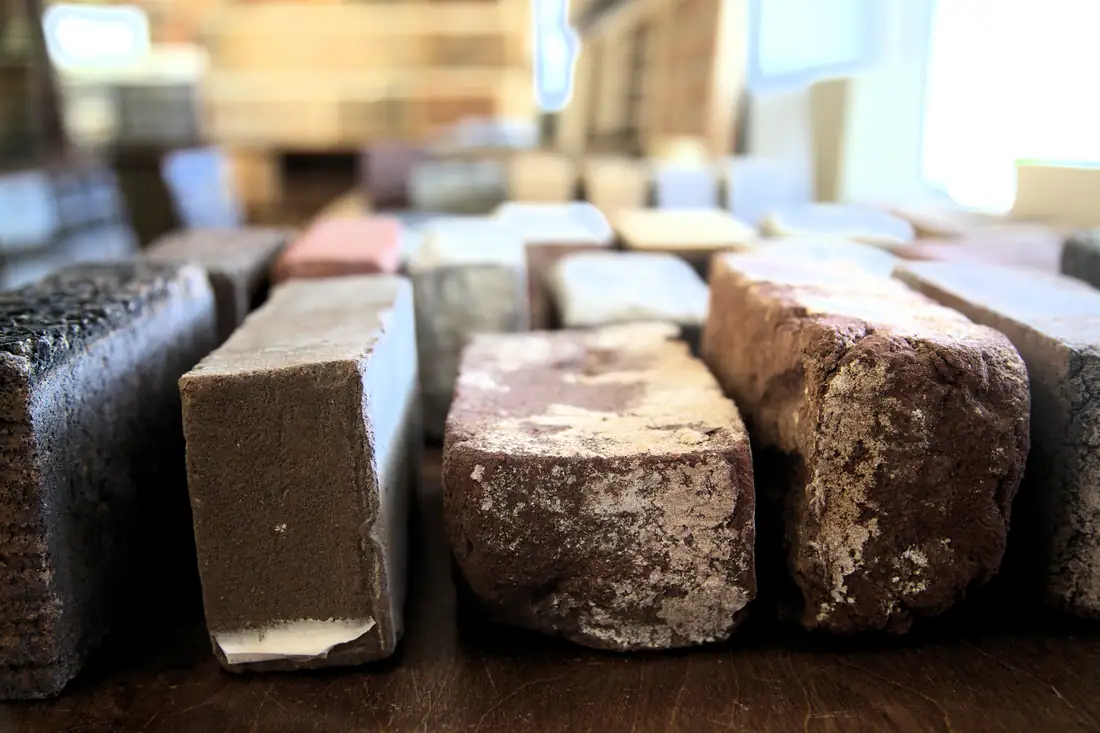
Matching existing brick matters on an addition or a repair, and brick matching is the place to start. Bring a brick or photos of the wall to the Mantua yard. Bring a close-up photo of the brick and a second photo from about twenty feet back. A sample brick helps if you can bring one, and a few if the brick is a blend. Kelly Supply Co. can also send a salesperson to the site to look.
Which Brick Suits Which Project
Which brick suits your project depends on the wall, the load it can carry and the look you want, and the situations below show how the choice usually falls.
- If the wall cannot carry extra weight, as with many interior walls and some additions, thin brick veneer is the type to price first.
- If you are building a masonry wall or facade, full brick is the type that fits.
- When you must blend new work with an existing brick wall, start with brick matching and compare both types against the old brick.
- For a fireplace surround or an accent wall, a sample of each type held against the room shows which look you prefer.