Choose the Fuel: Wood or Gas
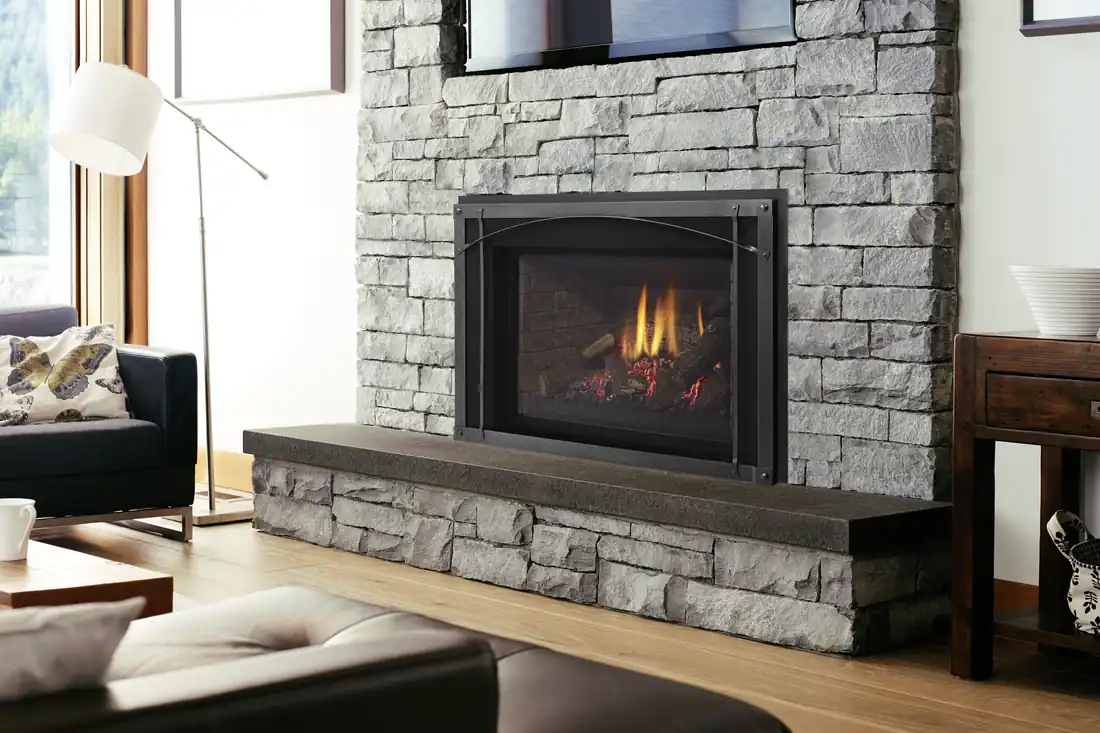
Choosing the fuel comes first, because the fuel decides the chimney work, the upkeep and the look of the fire. A wood-burning insert burns firewood and asks for hauling, storing and cleaning, while a gas insert runs on gas and usually needs a gas supply at the fireplace.
Ask yourself how much time you want to spend on the fire, whether you want the insert to heat one room or add a look to the room, and whether a gas supply can reach the fireplace. Kelly Supply Co. sells fireplace inserts and quotes them by request.
Match the Insert to the Opening
Matching the insert to the opening starts with measuring the width, the height and the depth of the existing fireplace, then writing the numbers down for each model you consider. The manufacturer's installation manual states what opening a model needs, so read it before you order.
Room size matters as well, and EPA suggests bringing a floor plan of the home to a knowledgeable hearth retailer when choosing a wood-burning appliance (EPA guide to choosing a wood stove). The same guide groups stoves as small, medium and large by the space they heat, so compare a model's size with the space you want to warm.
Check the Chimney Before You Buy
Chimney condition decides whether an insert can go in safely, and chimneys, fireplaces and vents should be inspected at least once a year under NFPA 211, according to the Chimney Safety Institute of America (CSIA homeowner resources). Book the inspection before you shop, so any repair is known before you choose a model.
Liners used with solid fuel-burning appliances need to be insulated, per the same institute, so a wood insert may call for a liner that the existing flue lacks (CSIA homeowner resources). A qualified professional can say what the chimney needs.
Read the Emissions Label on Wood Models
Emissions labels help compare wood models, because older uncertified stoves can give off 15 to 30 grams of smoke per hour, per EPA (EPA guide to choosing a wood stove). In 2020 the EPA limit for new room heaters dropped to 2.0 grams per hour when tested with crib wood, or 2.5 grams per hour with cord wood (EPA certified wood stoves).
Ask whether the wood model you are considering carries EPA certification and where the label sits. A catalytic model can last more than six seasons if used properly and may break down in as little as 2 years if neglected, per EPA (EPA guide to choosing a wood stove).
Plan the Surround and the Accessories
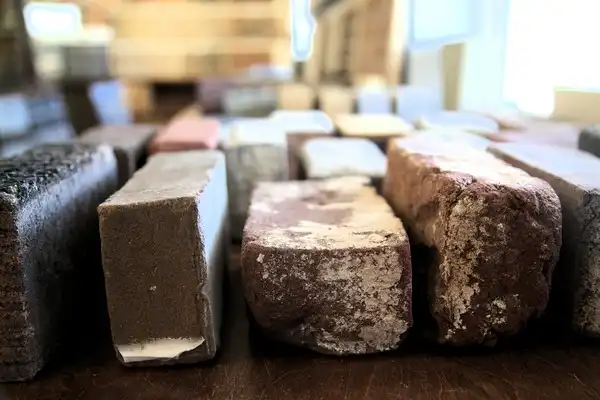
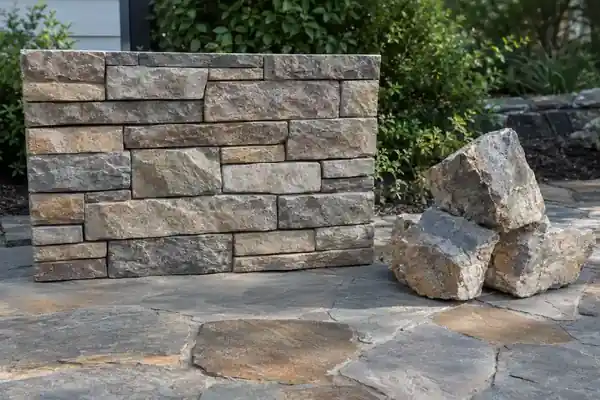
The surround around an insert is part of the choice, and it can be finished in manufactured stone or thin brick to suit the room. Fireplace and chimney accessories cover the small parts that finish the job.
Kelly Supply Co. sells the materials and does not install them, so a mason or an installer you hire sets the insert and the surround to the manufacturer's instructions and local code.
Plan Before the Heating Season
Planning before the heating season keeps the steps in order: inspect the chimney, measure the opening, choose the fuel, then order the insert and the finishing materials. Start early, because a repair found at the inspection can change which model fits.