

 Member, Building Industry Association of Northeast Ohio
Fireplace and Chimney Accessories at the Mantua Yard
Fireplace and chimney accessories are the parts and add-ons that go with a fireplace insert, and they are part of the fireplace inserts range at Kelly Supply Co. in Mantua. The yard sells accessories alongside inserts, and each item is priced per item, so call for pricing. Kelly Supply Co. stocks fireplace and chimney accessories at the Mantua yard.
Kelly Supply Co. sells accessories and does not inspect, clean or repair chimneys, so work on the flue itself belongs to a qualified chimney professional.
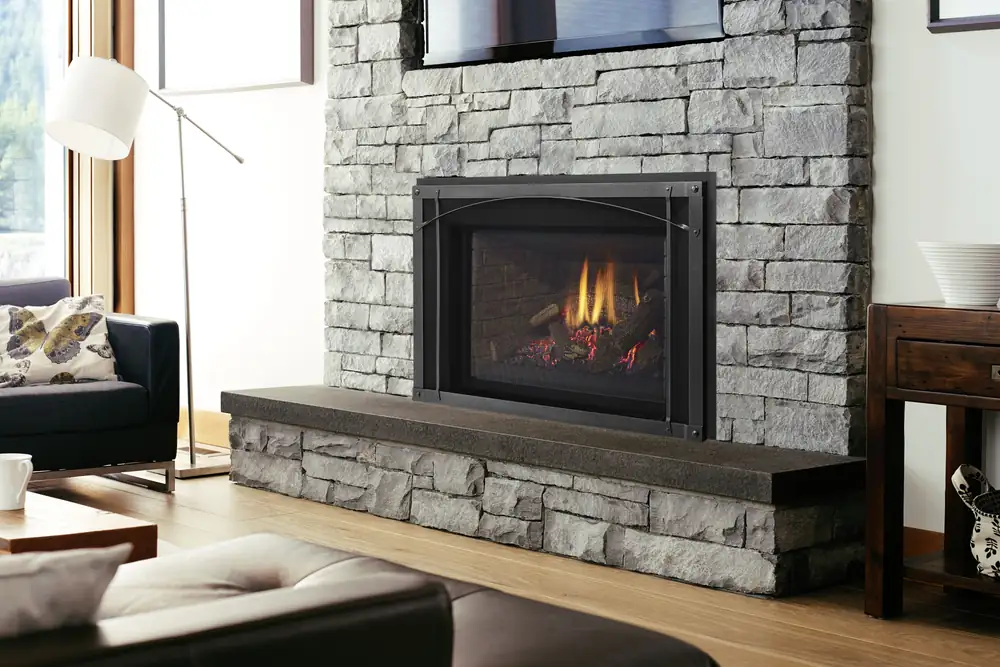
Fireplace and Chimney Accessory Specs
Fireplace and chimney accessories should carry a temperature rating and a safety listing from the manufacturer, and the rating printed on the item is the one to read before buying. A cap or damper that is rated for the flue gas temperature of the appliance below it can cap the flue safely, and one that is not can fail early.
NFPA 211 covers the design, installation, maintenance and inspection of chimneys, fireplaces and solid fuel-burning appliances, in NFPA's description of the standard. Ask the yard counter for the spec sheet on the item you need. Call the yard for the current models and their specifications.
Chimney Caps and Sizing
A chimney cap is sized to the flue it covers, so the flue's outside dimensions should be measured before a cap is chosen. A cap can keep rain and animals out of the flue and can carry a screen against sparks, and it should fit the flue so that wind does not lift it. Call the yard for the current models and their specifications.
Bring the measurements, or a photo of the top of the chimney, to the yard counter. Caps, dampers and flue parts come in several sizes, so a measured fit saves a second trip.
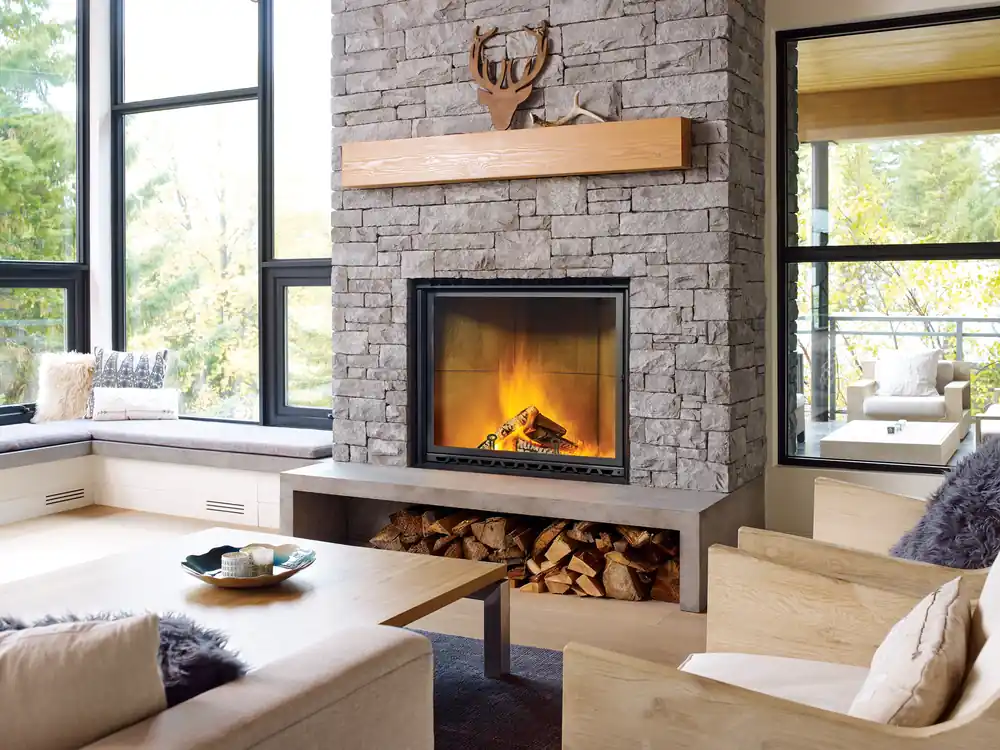
Accessories for Your New or Existing Insert
Accessories can be added to an insert order or bought on their own, and the yard counter can say what fits. Inserts are covered on the wood burning fireplace inserts page and the gas fireplace inserts page.
An insert goes inside an existing masonry or metal fireplace, and EPA advises having a certified installer check that the flue liner in a masonry chimney is installed correctly, in EPA's guide to choosing wood-burning appliances. EPA-certified stoves can be up to 50% more energy efficient, and an open wood fireplace creates 20 times the air pollution of an EPA-certified wood heater, in EPA's Burn Wise guidance on efficiency. Liner and cap parts can be priced together at the yard once the installer names what the job needs.
Winterizing
Winterizing a fireplace and chimney means getting both ready before the first cold snap, and the order of work should be inspection first, then repairs and accessories, then the first fire. NFPA 211 covers inspection and maintenance of chimneys and fireplaces, so an inspection by a qualified professional before the heating season can catch blockages and damage while there is time to fix them.
A cap, a damper and flue parts are the accessories that most often come up at this stage, and a cap that is in place before the fall rains can help keep water out of the flue. When the fireplace is closed up for the season, a closed damper can help hold heated air in the house during winter.
Firewood is part of winter readiness too, because properly dried wood should read 20% or less on a moisture meter, and split wood should season for at least 6 months for softwood and 12 months for hardwood, in EPA's Burn Wise guidance on efficiency. Buy the accessories early in the fall, when the yard counter has time to check fit.